
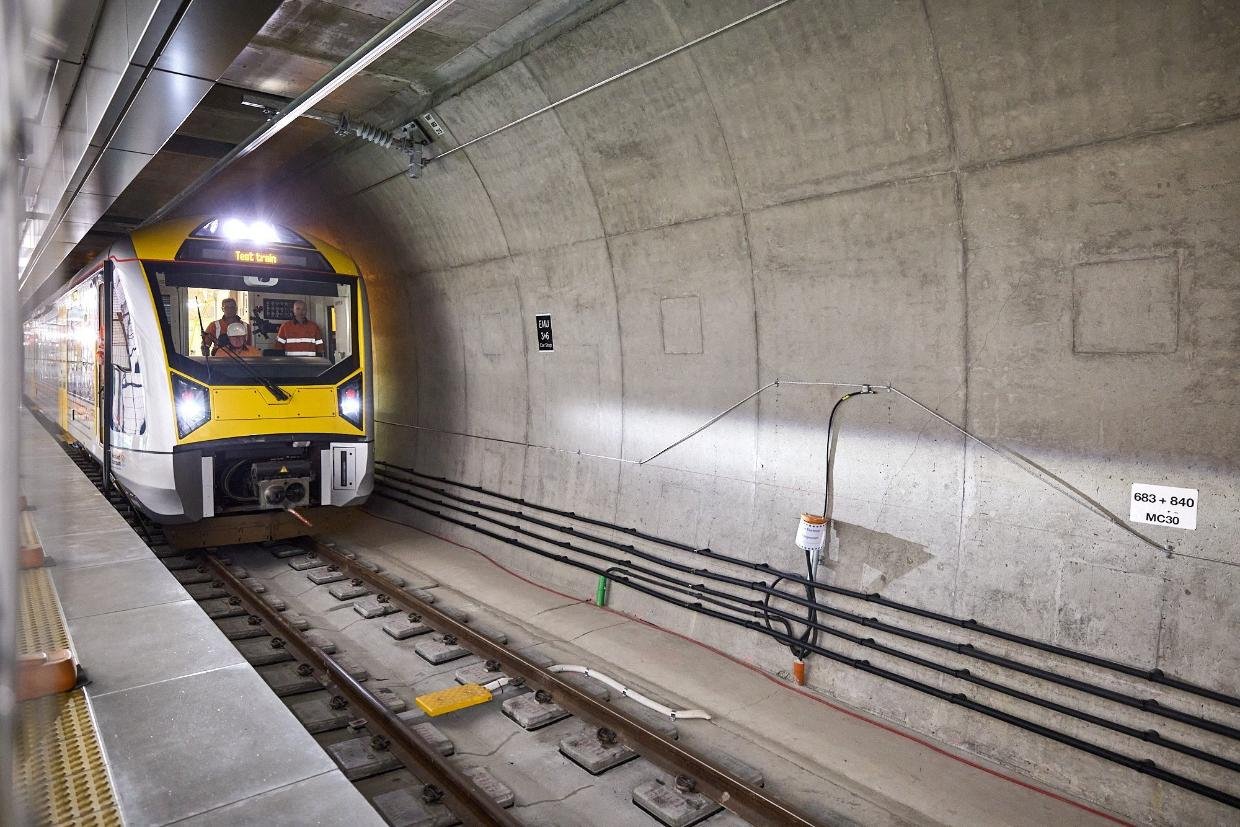
I was watching Wayne Brown's latest "Wayne Explains" video this week (link here), where he was discussing Auckland's rates increase and the City Rail Link. Whatever your views on the project, one comment really resonated with me. Wayne referred to the new City Rail Link stations as a giant "train set," making the point that the real cost isn't just building it, it's everything that comes afterwards. Once it's built, it has to be operated, maintained, repaired and eventually upgraded or replaced. It struck me because, in many ways, that's exactly how home ownership works. Buying a property is often the largest financial commitment we'll ever make, but it's only the beginning. The real investment is looking after it over the years that follow.
One thing Body Corporates generally do well is recognise this reality. Most apartment buildings have a Long-Term Maintenance Plan, sometimes looking ahead 10, 20 or even 30 years. They know the roof won't last forever, exterior painting will eventually be required, lifts need servicing, waterproofing systems age and common areas need continual upkeep. Rather than waiting for something to fail, they collect funds over time so those major expenses are planned for. While Body Corporate levies can sometimes be criticised, the principle behind them is sound: maintenance isn't an unexpected cost it's an inevitable part of owning the asset.
For homeowners, the same thinking applies, but without anyone reminding us. If you own a standalone home, you're effectively your own Body Corporate or council. The challenge is that very few of us have a written maintenance plan, so it's easy for jobs to slip from one year to the next. Abbey and I regularly walk through homes where the deferred maintenance isn't necessarily expensive, it just wasn't done when it should have been. Buyers notice these things too. They don't just see peeling paint, blocked gutters or a tired roof; they start wondering what else hasn't been looked after. In today's market, confidence is incredibly valuable, and a well maintained home often gives buyers exactly that.
Every home has components with different lifespans, and planning ahead can make ownership far less stressful. Some tasks should become part of your regular routine, while others only need attention every decade or two.
Every 6–12 months: Clean gutters and downpipes, test smoke alarms, service heat pump filters, inspect the roof, trim trees away from the house and check exterior sealants.
Every 5–10 years: Repaint exterior timber, restain decks and fences, refresh interior paint, reseal showers and wet areas.
Every 15–25 years: Replace hot water cylinders, consider roofing replacement depending on the material, and plan for kitchen or bathroom upgrades as they reach the end of their life.
Every 30–50 years: Larger items such as rewiring, replumbing, drainage improvements or significant structural upgrades may become necessary depending on the age of the home.
Wayne’s "train set" analogy wasn't really about trains. It was a reminder that owning any significant asset comes with an ongoing commitment. Whether it's Auckland's newest transport infrastructure or the family home you've owned for 30 years, the purchase price is just the entry point. The real value is protected by consistent, long-term maintenance.